


Following my last article on extreme jobs, I’ve had several conversations with senior product leaders on how much it resonated. One in particular, in a CPO community I’m part of, involved a rich and nuanced Whatsapp discussion lasting nearly two days (!) covering many different aspects of this topic. In this article I’ve synthesised the themes to identify five systemic factors that shape work extremism in Product. My thanks to all who shared their thoughts openly and vulnerably.
There is strong agreement amongst senior product leaders that extreme work has become normalised in tech, particularly in product leadership. Many have lived the pattern of overwork I previously described, with some resignation that it’s a systemic issue that forces people into this way of working. Several admitted that they enjoy the adrenaline and intensity of extreme work, especially when it creates a sense of identity.
What is interesting is that some recognised work extremism as only a chapter in their lives — early career, before kids. For others, it was a more permanent lifestyle choice. And here the concept of choice is important.
What this debate revealed is a tension between individual agency (the choice to work in extreme jobs) and systemic pressures (the industry culture is shaped to be extreme). My academic studies showed me that even when we believe we have choice, it is not limitless; instead it is constrained by systemic factors beyond our control — and these factors are not equally applied to everybody.
In this article I will explore five systemic factors in detail, drawing from the insights and feedback from my product leader peers.
Factor 1: Structural incentives drive overwork
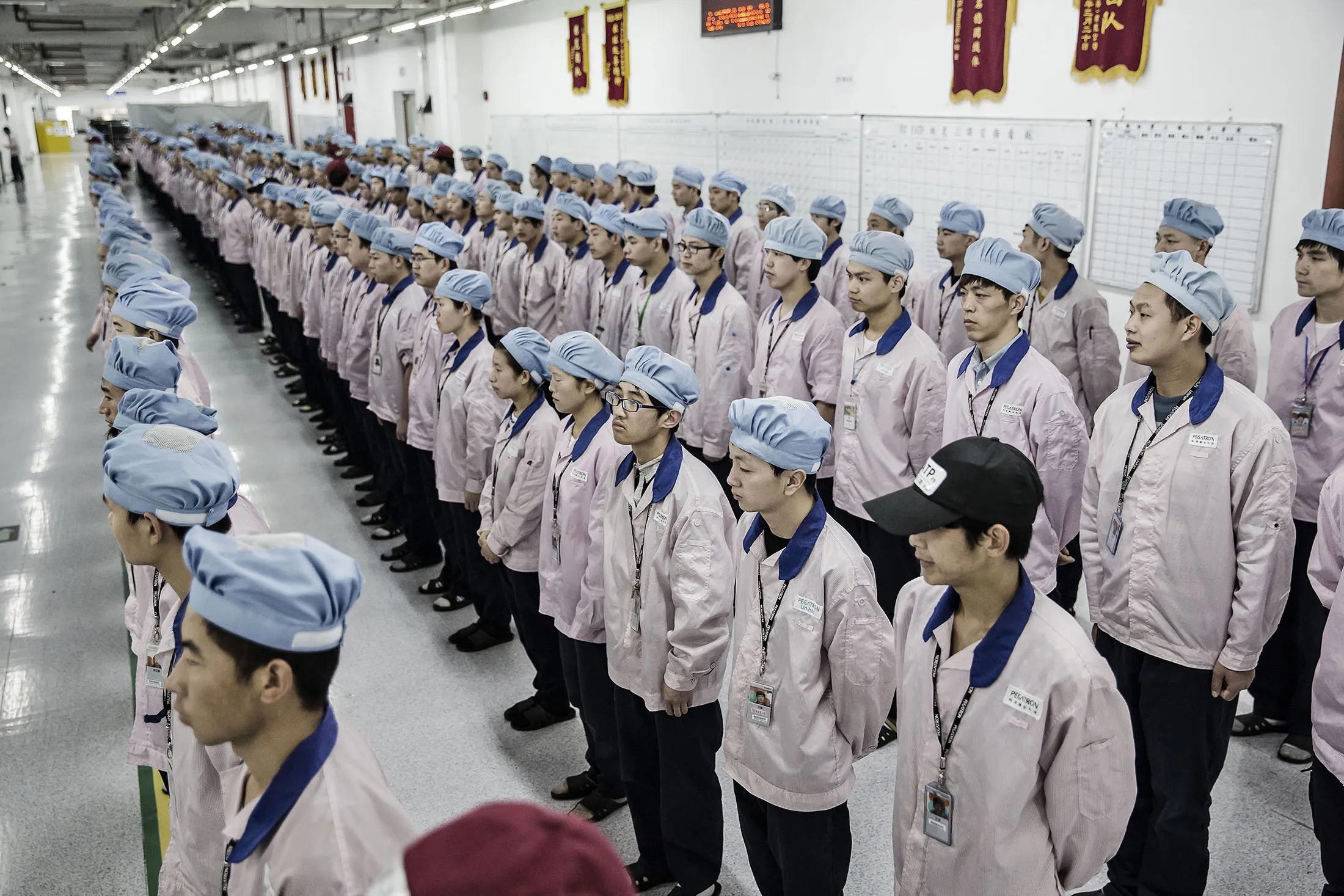
There was discussion around the extent to which this extreme working culture is set at the top. Investors and founders often glorify intensity and long hours, setting the tone for the rest of the industry to follow. UK venture capitalist Harry Stebbings suggested European startups should go harder than the infamous ‘996’ approach used in China, not only to keep up but to outpace rising economies in other parts of the world. This is a controversial pattern of working 9am to 9pm, six days a week, which has led to burnout and a fierce backlash from Chinese workers.
Companies ignore the long term effects of this extreme overwork on their workforce at their peril. In 2010 alone, Foxconn — which produces the bulk of Apple’s iphone line and is the single biggest employer in mainland China — lost 15 employees to suicide by throwing themselves from the company’s buildings. Foxconn’s response? To install safety netting around the upper floors, help hotlines for distressed employees to call, and add more workload.
However, there was also recognition that not all investors are pushing cultures of work extremism. In particular, VCs at Balderton Capital have criticised investors who pressure founders and their teams to work to the point of burnout. In 2023 they launched their Founder Wellbeing and Performance Platform, offering executive coaching, health and fitness, and CEO forums. It’s heartening to see at least one VC firm valuing the wellbeing of their founders — but we need more of the industry to follow suit.
Factor 2: Parenthood (especially motherhood) changes the rules
Parents, particularly mothers, feel judged, excluded from opportunities, or forced into hard trade-offs. During the pandemic and in the immediate years after, when flexible and remote working appeared to be a seismic shift in how we work, many took the opportunity to move out of big cities in search of a more balanced life for them and their families. That now appears under threat with mandated Return to Office (RTO) policies gaining in popularity (more on that shortly).
Flexible working is an important structural accommodation that enables parents to be there when needed in other areas of their lives. Between them, they can share the pick ups, drop offs, sick days and school holidays, which helps reduce reliance on one single parent (which in the majority of heterosexual relationships, disproportionately affects women), or outside help such as paid childcare or grandparents (who may not always be available or indeed co-located in the same town, county, or even country!)
One newsletter reader replied with another interesting angle: the allied concept of greedy jobs, where long hours and constant availability are required and expected. This has not only been shown to be a contributor to the gender pay gap, but it is recognised that it’s hard for a home to support two greedy jobs — which often means one parent sacrificing their career not only for children, but for their partner to maintain theirs.
This was one of the most emotionally charged threads in the discussion — and one that warrants more review, as flexible work is perceived to be declining, not improving, since 2021.
Factor 3: Chronic illness and disability as invisible exclusions
Linked to flexible working was an honest discussion around the impact of working in tech when you have a chronic illness or disability. This is a factor rarely discussed in public amongst senior tech leaders, with many not feeling safe enough to share their experiences for fear of being seen as unable to perform to a high level.
For people living with chronic illness and disability, the conditions of work directly affect what is possible. Working long hours is not always possible when you are experiencing fatigue and pain from conditions like long Covid, fibromyalgia and chronic arthritis. Neurodivergent product leaders may also need flexibility to optimise their working pattern for when their energy levels and focus are high. Masking and self-management in order to appear high functioning is itself work.
Flexibility gives people autonomy, which is one of the three factors identified in Self Determination Theory as crucial for motivation. When your choice is already constrained by personal factors like your health, it can feel like the system is punishing you for something beyond your control when you are not allowed to work flexibly (including remotely).
Removing or reducing the amount of flex given to tech workers reduces their personal agency — which seems antithetical to the popular rhetoric of ‘we’re all adults here’ and the desire for faster, better decision making.
Factor 4: RTO mandates function as a control mechanism
The discussion on RTO mandates could be an entire article in itself, such is the controversy and strength of cynicism surrounding them. Many of the product leaders I spoke to saw them as not about improving collaboration (which we proved we could do effectively remotely during the pandemic), but about signalling power, forcing attrition, or returning to a management style that avoids addressing poor systems.
I have pondered on that last point for some time: how much of this need to have people back in an office is because of poor communication skills amongst some senior leaders? There’s an interesting strand of research by Baumeister and Vohs on the need for cognitive closure, which is the desire to have a definite answer in order to resolve any uncomfortable feelings of ambiguity. When a senior leader has a preference for quick, certain answers, it is easier to achieve this when you can just walk up to someone in person and interrupt what they are doing or call a meeting. When we’re working remotely, you have to first ping the person on Slack, wait for them to reply, set up a call, then share your message. The uncertainty and complexity of the current market conditions may be driving some of this behaviour — everything feels like it’s changing and it’s hard to keep up. Of course, no CEO is going to say this is the real reason, but you may hear euphemisms such as ‘it’s easier to collaborate in person’ or ‘we work better when we’re in the same room together’.
Factor 5: The product leader as absorber of organisational dysfunction
Amongst the discussion there was strong agreement that product sits at an organisational nexus, and the PM becomes the person who patches dysfunction, mediates conflict, and holds ambiguity.
I’ve written before about how Product people are at the ‘sharp end’ of dysfunctional cultures — we see the effects of a lack of vision, indecisive strategy, team silos, and poor communication play out across the business. The effect of this is to increase cognitive load: holding space for many people’s opinions and positions at once, whilst also keeping an eye on the longer term direction, even when that is not entirely clear.
It’s also a lot of emotional labour.
Emotional labour is precisely defined by Hochschild as ‘the management of feeling to create a publicly observable facial and bodily display [that is] sold for a wage’. We can see that product management involves emotional labour when we mediate between teams, smooth over tension, and absorb other people’s frustrations, all with a smile on our faces — the role is set up to inherit other people’s conflict over strategy, priorities and execution, and do so with grace and poise.
Conclusion
What I draw from this discussion is that extreme jobs are not about an individual failure of boundaries, but rather a systemic context produced by the design of the tech industry and the role of Product itself.
The cumulative effect of these five factors is a gradual erosion of personal agency over how and when work happens, which over time contributes to burnout. Burnout is characterised by three core dimensions: exhaustion, cynicism or detachment, and reduced performance. What was clear when discussing the article is that many are in survival mode, let alone thriving. Themes of coping, endurance and identity strain came up often. How long this can be sustained is unclear; what is certain is that without systemic intervention there will be a human cost to this extreme work in tech.